

Best Age to Start Quran Classes for Kids: A Parent's Guide
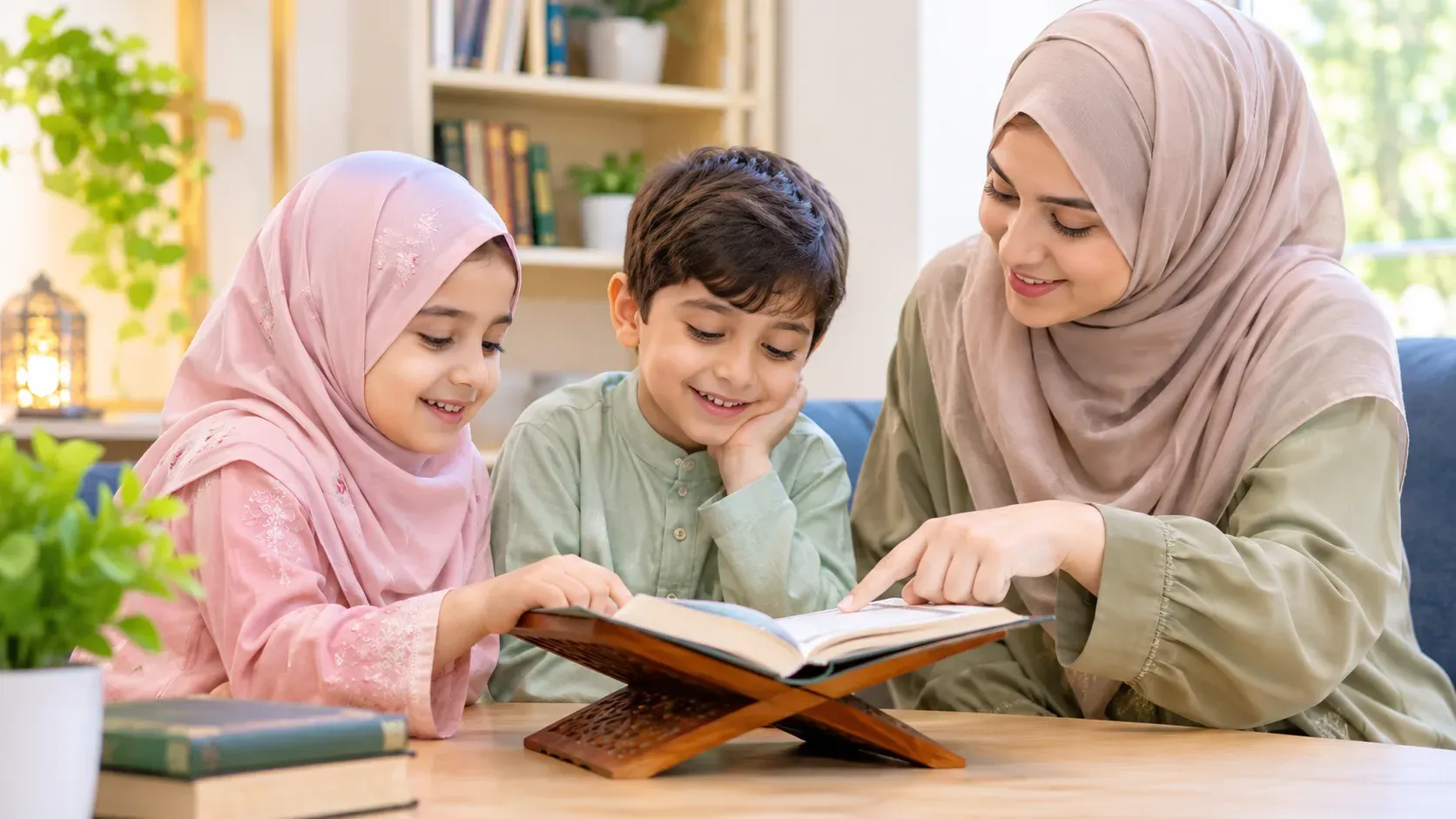
Key Takeaways & Overview
What Is the Best Age to Start Quran Classes? A Guide for Parents
Every Muslim parent wants their child to develop a strong connection with the Holy Quran. One of the most common questions parents ask is: What is the best age to start Quran classes?
Should children begin learning the Quran as toddlers, or is it better to wait until they start school?
The good news is that there is no single perfect age for every child. However, many children are ready to begin simple, structured Quran lessons between the ages of 4 and 6 years. The right starting time depends on a child's attention span, interest, learning ability, and emotional readiness.
Starting Quran education early can help children become familiar with Arabic letters, develop good recitation habits, memorize short Surahs, and build a lifelong love for the Quran.
In this guide, we will explore the best age to start Quran classes, what children should learn at different stages, signs of readiness, and how parents can make Quran learning enjoyable.
What Is the Best Age to Start Quran Classes?
For many children, 4 to 6 years is a suitable age to begin structured Quran classes. At this stage, children are often becoming more comfortable with listening, repeating sounds, recognizing letters, and following simple instructions.
However, Quran learning does not need to begin with formal lessons.
Parents can introduce the Quran much earlier through listening to beautiful recitations, repeating short Duas, and creating a positive Islamic environment at home.
Here is a simple age-wise guide:
| Child's Age | Recommended Learning Activities |
|---|---|
| 0–3 Years | Listening to Quran recitation and gentle exposure |
| 3–4 Years | Learning short Surahs, basic Duas, and Arabic sounds |
| 4–6 Years | Arabic alphabet, Noorani Qaida, and basic pronunciation |
| 7–10 Years | Quran reading, Tajweed basics, and short Surah memorization |
| 11–15 Years | Improving fluency, Tajweed, Hifz, and understanding |
| 16+ Years | Advanced Quran reading, Tajweed, memorization, and Islamic studies |
Remember that these are general learning suggestions, not strict age requirements. Every child develops at a different pace.
1. Builds a Strong Connection with the Quran
Children who regularly listen to and learn the Quran can gradually develop familiarity and affection for its recitation.
When Quran learning becomes a natural part of daily life, children are more likely to develop a positive relationship with the Holy Book.
2. Helps Children Learn Arabic Pronunciation
The Quran is revealed in Arabic, and correct pronunciation is an important part of Quran recitation.
Learning Arabic letters and their sounds from an early stage gives children an opportunity to build a strong foundation.
With proper guidance, they can gradually improve their pronunciation and learn the correct articulation points (Makharij).
3. Develops Good Learning Habits
Regular Quran lessons can encourage children to develop consistency, patience, listening skills, and discipline.
A simple daily learning routine helps children understand the value of dedication and continuous improvement.
4. Makes Quran Memorization Easier to Approach
Many children enjoy listening to and repeating short Surahs.
With repetition, encouragement, and suitable learning goals, children can gradually memorize selected Surahs from the Quran.
Parents should focus on understanding and retention rather than rushing children to memorize large portions.
5. Supports Islamic Values and Character Development
Quran education is not only about reading and memorizing Arabic words.
It also provides opportunities to introduce children to Islamic values such as kindness, honesty, respect, patience, gratitude, and compassion.
These lessons can help parents support their children's spiritual and moral development.
What Should Children Learn at Different Ages?
Choosing the right Quran learning program is just as important as choosing the right starting age.
A child's lessons should match their learning ability and gradually become more structured.
Ages 0–3: Introduce the Quran Through Listening
At this stage, children do not need formal Quran classes.
Parents can introduce Quran education naturally through:
Playing gentle Quran recitations at home.
Listening to short Surahs together.
Repeating simple Islamic phrases.
Teaching basic Duas through daily activities.
Creating a peaceful Islamic environment.
The goal is to make Quran recitation familiar and enjoyable.
Ages 3–4: Introduce Basic Arabic Sounds
Some children may begin showing interest in Arabic letters and sounds.
Parents can introduce simple activities such as:
Recognizing Arabic alphabet letters.
Listening and repeating Arabic sounds.
Learning short Surahs through repetition.
Practicing simple Islamic Duas.
Exploring beginner-friendly Islamic learning activities.
Keep activities short and enjoyable. Avoid forcing children to memorize or read before they are ready.
Ages 4–6: Start Noorani Qaida and Basic Quran Lessons
This is a suitable starting stage for many children who are ready for structured learning.
A beginner Quran course can introduce:
Arabic alphabet recognition.
Correct pronunciation of Arabic letters.
Letter joining and basic reading.
Noorani Qaida lessons.
Short Surah memorization.
Basic Quran reading techniques.
A qualified Quran teacher can help children develop correct pronunciation from the beginning.
Ages 7–10: Improve Quran Reading and Learn Tajweed
At this age, many children are ready for more structured Quran education.
Their learning can include:
Reading Quranic words and verses.
Improving reading fluency.
Learning basic Tajweed rules.
Understanding Makharij.
Memorizing selected Surahs.
Developing regular Quran revision habits.
Parents can also introduce age-appropriate Islamic Studies to help children understand their faith.
Ages 11–15: Develop Stronger Quran Skills
Older children and teenagers can work towards more advanced learning goals.
These may include:
Improving Quran recitation with Tajweed.
Correcting pronunciation mistakes.
Memorizing longer Surahs.
Starting a structured Hifz program.
Learning Quranic Arabic.
Understanding basic Quran meanings.
Personalized learning can help teenagers balance Quran education with school and other responsibilities.
7 Signs Your Child Is Ready for Quran Classes
Age alone does not determine whether a child is ready to start Quran lessons.
Parents should also observe their child's interest, attention, and ability to participate.
Here are seven helpful signs:
1. Your Child Can Focus for a Short Period
If your child can concentrate on an activity for approximately 10–15 minutes with guidance, they may be ready for a short introductory lesson.
2. Your Child Enjoys Listening to Recitation
Children who show interest in Quran recitation or enjoy repeating sounds may respond positively to beginner lessons.
3. Your Child Can Follow Simple Instructions
Following basic instructions can make it easier for children to interact with a Quran teacher.
4. Your Child Shows Interest in Letters
Recognizing letters, shapes, and simple patterns can help children begin learning the Arabic alphabet.
5. Your Child Enjoys Repeating Words
Repetition is an important part of learning Arabic pronunciation and memorizing short Surahs.
6. Your Child Is Comfortable with a Teacher
A child who feels comfortable communicating with an instructor may find online or in-person Quran lessons easier.
7. Your Child Is Curious About Islamic Learning
Asking questions about the Quran, prayer, or Islamic stories can indicate an interest in learning more about Islam.
If your child does not show all these signs yet, there is no need to worry. Continue introducing the Quran gently and try again when they feel more comfortable.
How to Choose the Right Online Quran Classes for Kids
Many parents today prefer online Quran classes because they offer flexible schedules and learning opportunities from home.
However, choosing the right online Quran academy is essential for a positive learning experience.
Consider these factors before enrolling your child.
Qualified and Experienced Quran Teachers
Choose an academy with knowledgeable teachers who understand Quran recitation, Tajweed, and how to teach children.
A good teacher should be patient, encouraging, and able to explain lessons according to the child's level.
One-to-One Learning Experience
Individual lessons can help teachers focus on a child's pronunciation, learning speed, and specific difficulties.
This can be particularly helpful for beginners learning Arabic letters and Noorani Qaida.
Age-Appropriate Teaching Methods
Young children need engaging lessons that include repetition, encouragement, and manageable learning goals.
Avoid programs that place unnecessary pressure on children.
Flexible Class Timings
Children have school, homework, and other activities.
An academy offering flexible schedules can help parents create a consistent Quran learning routine.
Regular Progress Monitoring
Parents should receive feedback about their child's reading, pronunciation, memorization, and overall progress.
Regular assessments can help identify areas that need additional attention.
Why Choose Al Furqan Academy for Your Child's Quran Education?
Choosing the right Quran academy can make a meaningful difference in your child's learning journey.
Al Furqan Academy offers online Quran classes designed for children, teenagers, adults, and families.
Its Kids Program is designed for children aged 4–12, with engaging and interactive learning experiences that help build a strong foundation in Islamic education.
Some of the learning opportunities available include:
Noorani Qaida: Build a foundation in Arabic letters and pronunciation.
Quran with Tajweed: Learn correct Quran recitation and pronunciation.
Quran Memorization: Develop memorization skills through structured lessons.
Quranic Arabic: Explore Arabic vocabulary and language skills.
Islamic Studies: Learn about Islamic foundations, Seerah, Duas, and Islamic manners.
Children can learn with qualified teachers through personalized online lessons and flexible scheduling.
Parents can explore the available online Quran courses at Al Furqan Academy to find a suitable learning path.
You can also visit the Al Furqan Academy homepage to learn more about its programs and teaching approach.
5 Tips for Parents to Make Quran Learning Enjoyable
Parents play an important role in building their children's relationship with the Quran.
Here are five practical ways to make the learning experience positive.
1. Create a Daily Quran Routine
Set aside a small amount of time each day for Quran recitation or revision.
Consistency is more important than long study sessions.
2. Encourage Rather Than Pressure
Celebrate small improvements and encourage your child when they learn a new letter, pronounce a word correctly, or memorize a Surah.
Avoid comparing their progress with other children.
3. Choose a Patient Quran Teacher
A supportive teacher can help children feel confident and comfortable during lessons.
4. Practice Together at Home
Parents can listen to their children recite short Surahs and practice previously learned lessons together.
This also creates valuable family learning time.
5. Make Learning Age-Appropriate
Do not expect a four-year-old to learn at the same speed as a ten-year-old.
Give children realistic goals and allow them to progress naturally.
Is It Too Late to Start Quran Classes at Age 8, 10, or 12?
Absolutely not!
Some parents worry that their children have missed the ideal age to start Quran education.
However, it is never too late to begin learning the Holy Quran.
Older children may have better concentration, communication skills, and the ability to understand instructions.
A child starting Quran classes at age 10 or 12 can still develop excellent reading, recitation, and memorization skills with proper guidance and consistent practice.
The important thing is to begin with the right learning level.
If your child is a complete beginner, a structured Noorani Qaida course can provide a suitable foundation before moving towards fluent Quran reading and Tajweed.
Final Thoughts: When Should You Enroll Your Child in Quran Classes?
The best age to start Quran classes depends on your child's individual development and readiness.
For many children, ages 4–6 offer a suitable opportunity to begin structured Quran learning. Younger children can develop familiarity through listening and simple repetition, while older children can successfully start with beginner-level lessons at any age.
As a parent, your goal should not be to make your child learn as quickly as possible. Instead, focus on helping them develop a positive, lasting connection with the Quran.
With patient guidance, qualified teachers, regular practice, and encouragement at home, your child can take meaningful steps towards learning the Holy Quran.
Start your child's Quran learning journey with Al Furqan Academy. Explore our online Quran classes and discover a learning experience designed to help children learn, grow, and strengthen their connection with Islam.
Frequently Asked Questions (FAQs)
1. What is the best age to start Quran classes for kids?
Many children are ready to begin structured Quran classes between the ages of 4 and 6. However, the best age depends on the child's attention span, interest, and learning readiness.
2. Can a 3-year-old start learning the Quran?
Yes. A three-year-old can become familiar with Quran recitation through listening, repetition, and simple Islamic activities. Formal reading lessons are not necessary at this stage.
3. Is 5 years old a good age to start learning the Quran?
Yes. Five years old can be a suitable age for many children to begin learning Arabic letters, basic pronunciation, and Noorani Qaida through short, engaging lessons.
4. Can a 7-year-old start Quran classes?
Absolutely. Seven-year-old children can start with beginner Quran lessons, learn Noorani Qaida, improve Arabic pronunciation, and gradually develop Quran reading skills.
5. Is 10 years old too late to learn the Quran?
No. Children can begin Quran education at age 10 or even later. With a suitable teacher, structured lessons, and regular practice, they can make excellent progress.
6. How long should a child attend Quran classes daily?
The ideal lesson duration depends on age and concentration. Younger children may benefit from 10–15-minute learning activities, while older children may manage longer structured sessions.
7. Should children learn Noorani Qaida before reading the Quran?
For children who are beginners, Noorani Qaida is a useful way to learn Arabic letters, sounds, and basic pronunciation before progressing to Quran reading.
8. Are online Quran classes suitable for young children?
Yes. Online Quran classes can be suitable when lessons are interactive, age-appropriate, and taught by patient, qualified teachers. Parental support can also improve the experience.
9. How can parents help children memorize the Quran?
Parents can encourage regular listening, repetition, short daily revision sessions, and positive reinforcement. A qualified Quran teacher can guide children through a structured memorization plan.
10. Where can I find online Quran classes for my child?
Parents can explore Al Furqan Academy, which offers online Quran learning opportunities for children, teenagers, and adults.
Ustadh Abdullah
Instructor & ScholarSenior faculty member at Al Furqan Academy. Dedicated to making Quranic sciences, authentic Tajweed, and Islamic understanding transformative and accessible to students worldwide.
Was this article helpful to you?
Your feedback helps us create better, more authentic Islamic learning guides.
More from Al Furqan Journal


